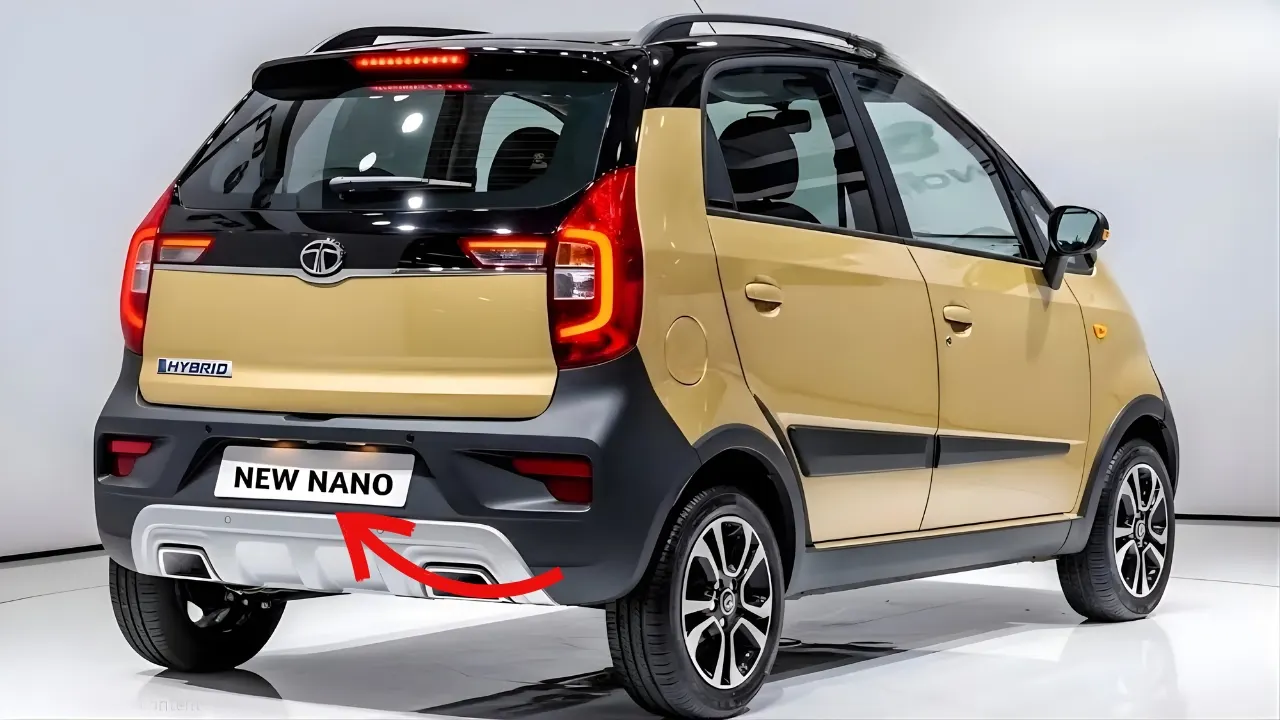
Tata Nano 2026 Launched: The Tata Nano, once hailed as the car for the masses, is making a grand comeback in 2026. Tata Motors is reviving this iconic nameplate as an electric vehicle (EV) tailored for India’s bustling urban landscapes. With skyrocketing fuel prices and a growing demand for affordable green mobility, the timing couldn’t be more perfect. Leaked images, spy shots, and industry buzz suggest that the Tata Nano 2026 is set to hit showrooms by mid-year, promising an unbeatable price range of ₹2.5 to ₹6 lakh. This isn’t just a relaunch; it’s a reimagined vision of affordable, sustainable driving for the Indian market.
Why Tata Nano 2026 is the Perfect Fit for India
India’s roads are packed with two-wheelers, and the need for compact, eco-friendly, and budget-friendly vehicles has never been higher. The Tata Nano 2026 EV aims to fill this gap, offering a practical alternative to expensive scooters and fuel-guzzling bikes. Following the success of Tata’s other EV models like the Nexon EV, the company is betting big on this tiny powerhouse. Unlike the original Nano, which faced criticism for being too basic and unsafe, this new version promises a sturdier build, better design, and modern features to tackle the challenges of Indian roads, from potholes to tight parking spaces.
Design: A Modern Take on the Classic Nano
The Tata Nano 2026 retains its signature tall-boy stance but gets a futuristic makeover. Leaked renders and spy shots reveal sleek LED headlights, a bold front grille (even if cosmetic for an EV), and stylish alloy wheels that elevate its look. The sharp lines, sloping roof, and vibrant color options like electric blue and fiery red make it stand out. Inside, expect a tech-savvy cabin with an 8-inch floating touchscreen supporting Android Auto, a digital dashboard, wireless charging, and comfy fabric upholstery. Clever storage solutions like under-seat bins and roof rails add practicality, while swing-out rear doors ensure easy access in cramped spaces. At around 3 meters long, it’s still a compact champ for city driving.
Powertrain and Range: Built for Urban Commutes
The Tata Nano 2026 EV is expected to house a 25 kWh battery pack delivering 45-60 horsepower, enough for zippy city drives with a 0-60 kmph sprint in under 10 seconds. It offers an impressive range of 200-250 km on a single charge, perfect for daily commutes. Fast charging capabilities allow an 80% charge in just 30 minutes, while regenerative braking and a ‘city mode’ enhance efficiency. With a top speed of around 100 kmph, it’s designed for urban environments rather than highways. For those hesitant about EVs, rumors suggest a CNG variant priced as low as ₹2.2 lakh ex-showroom, keeping running costs incredibly low compared to traditional fuel vehicles.

Features: Safety and Tech in a Budget Package
Learning from past mistakes, Tata has packed the Nano 2026 with essential safety features like dual airbags, ABS, and rear parking sensors. On the tech front, it offers a touchscreen with voice commands, connected features via Tata’s app for remote AC control, and even a sunroof in higher trims. The build quality sees a significant upgrade with high-strength steel to address old safety concerns, while the suspension is tuned for rough roads, and the steering feels light and responsive. With seating for up to five (albeit cozy), it’s positioned as an ideal first car for young professionals and small families.
Competition and Market Hype
The Tata Nano 2026 EV will face competition from the likes of the MG Comet EV and upcoming micro-cars from Maruti. However, with its aggressive pricing, homegrown brand value, and rugged appeal, it could dominate the segment. Social media is abuzz with excitement, as YouTubers dissect spy shots and speculate on features. Dealerships in Tier-2 cities are reportedly gearing up for a sales rush, with bookings rumored to start at just ₹5,000. If Tata keeps the price under ₹3 lakh, the Nano could redefine affordable mobility in India.

What Tata Nano 2026 Means for Indian Buyers
More than just a car, the Tata Nano 2026 represents a shift towards sustainable, budget-friendly mobility. It caters to the middle class dreaming of car ownership without financial strain. Rumors of production at the Sanand plant hint at job creation, adding to its national appeal. While official confirmation is awaited, teasers for a March 2026 reveal have fans eagerly waiting. If Tata delivers on price and quality, the Nano could flood Indian streets with tiny EVs, transforming urban travel. Are you ready to book one?