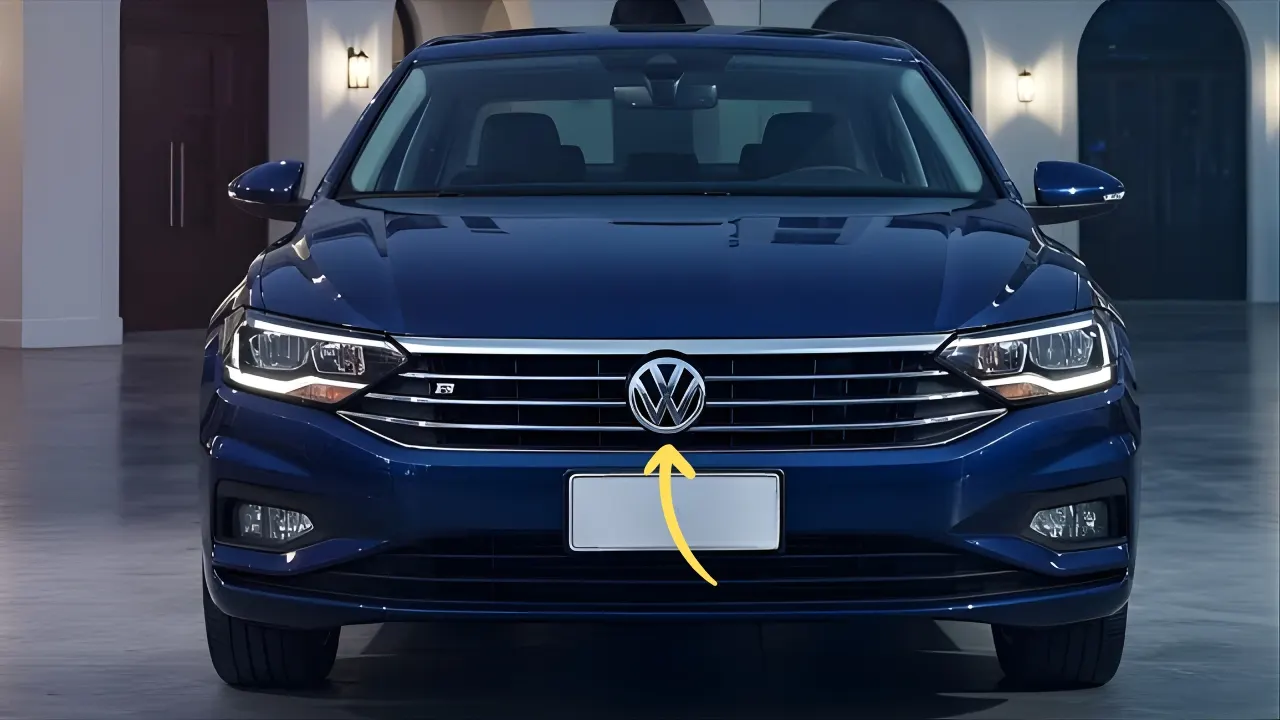
Volkswagen Vento 2026 Launched: The Volkswagen Vento has made a striking comeback in 2026, blending German engineering with affordability, making it an ideal choice for small families in India. Launched on March 27, 2026, this premium sedan continues to hold a special place in the hearts of car enthusiasts, even as the market leans towards SUVs. With a new 3-cylinder engine, updated features, and a competitive price tag, the Vento aims to reclaim its spot in the compact sedan segment against rivals like Honda City and Hyundai Verna. Let’s dive into what makes the 2026 Vento a noteworthy release.
A Legacy of Reliability and Performance
Since its debut in 2010, the Volkswagen Vento has been synonymous with solid build quality and practical design. Manufactured at the Chakan plant in Maharashtra, it was the first car entirely designed and built in India by Volkswagen. Over the years, it has seen multiple facelifts, with updates in 2015, 2016, and 2019, ensuring it stayed relevant with modern tech and compliance with BS-VI norms by 2020. The 2026 model builds on this legacy, offering a refreshed look while maintaining the sedan’s reputation for a smooth ride and highway stability.
Engine and Performance Highlights
The 2026 Volkswagen Vento comes equipped with a new 3-cylinder engine, delivering a balance of power and efficiency. While specific details on horsepower are yet to be fully disclosed, early reports suggest it offers comparable performance to its predecessors, like the 1.0-litre TSI petrol engine that produced 109 bhp. Paired with manual and automatic transmission options, the Vento ensures a spirited drive with precise steering and strong braking supported by ABS and ESP in higher trims. Fuel efficiency is expected to hover around 18-20 kmpl, making it a practical choice for city commutes and long family trips.
Design and Features for Modern Families
The updated Vento sports subtle cosmetic enhancements, aligning with Volkswagen’s contemporary design language. Inside, the cabin retains its premium feel with heat-insulating glass, dual airbags, and an upgraded touchscreen infotainment system. Features like rain-sensing wipers and comfortable suspension make it adept at handling India’s diverse road conditions. With a spacious boot and ample legroom, the Vento 2026 is tailored for small families looking for a reliable and stylish sedan without breaking the bank.

Pricing and Market Positioning
One of the standout aspects of the Volkswagen Vento 2026 is its affordability. While exact pricing details are awaited, it is positioned to compete in the compact sedan segment with a starting price expected to be around Rs 9-10 lakh. This makes it an attractive option for budget-conscious buyers who still desire the premium Volkswagen badge. Compared to its successor, the Virtus, which starts at Rs 10.5 lakh, the Vento offers a more accessible entry point without compromising on core quality.
Challenges and Future Prospects
Despite its appeal, the Vento faces challenges in a market increasingly dominated by SUVs and electric vehicles. Volkswagen’s focus in 2026 seems to be on models like the Tayron R-Line and Taigun facelifts, alongside Virtus updates with ADAS Level 2 and panoramic sunroofs. However, the Vento’s legacy of reliability and its niche as an affordable premium sedan could carve out a loyal customer base. There’s also speculation about a potential electric variant in the future, which could align with India’s growing EV trend.

Why the Vento 2026 Still Matters
For many Indian buyers in urban centers like Delhi and Mumbai, the Volkswagen Vento represents aspiration and practicality. Its high-speed stability, fuel efficiency, and iconic VW branding continue to resonate, even in the second-hand market where older models remain popular. The 2026 launch reaffirms Volkswagen’s commitment to sedans, offering a vehicle that balances modern needs with timeless charm. If you’re in the market for a family-friendly sedan with a touch of premium flair, the Vento 2026 is worth a test drive.